
The complete guide
How to Choose a Black LED Chandelier for a Modern Room
The problem with the light you already have
Walk into most homes and the ceiling light is an afterthought. A flat disc, a single bulb, maybe a shade that was chosen by a builder in a hurry. It lights the room in the dullest possible way, dropping one hard circle in the middle and leaving the edges grey. You notice it most at dinner, when faces look flat, and at night, when the only options are glaring or off.
Replacing that fitting is one of the cheapest changes that actually alters how a room feels. You are not moving walls or buying furniture. You are swapping the single element that everyone looks up at and that touches every surface in the room. A black LED chandelier does two jobs at once here. It fixes the quality of the light, and it gives the ceiling something worth looking at.
How an eight-light fixture behaves differently
The number of light sources matters more than most people expect. One bulb produces one shadow direction. Eight sources, spread across a frame, overlap their output, which softens the edges of shadows and spreads light further toward the walls. You end up with a room that looks evenly lit rather than spotlit in the middle.
This fixture puts out 3200 lumens in total. To give that some context, a typical single-bulb ceiling fitting in a bedroom might run somewhere around 800 to 1200 lumens. So you are working with considerably more light, which is why the dimming matters. Full output is there when you want to find something under the sofa or help with homework. Most evenings you will probably sit well below it.
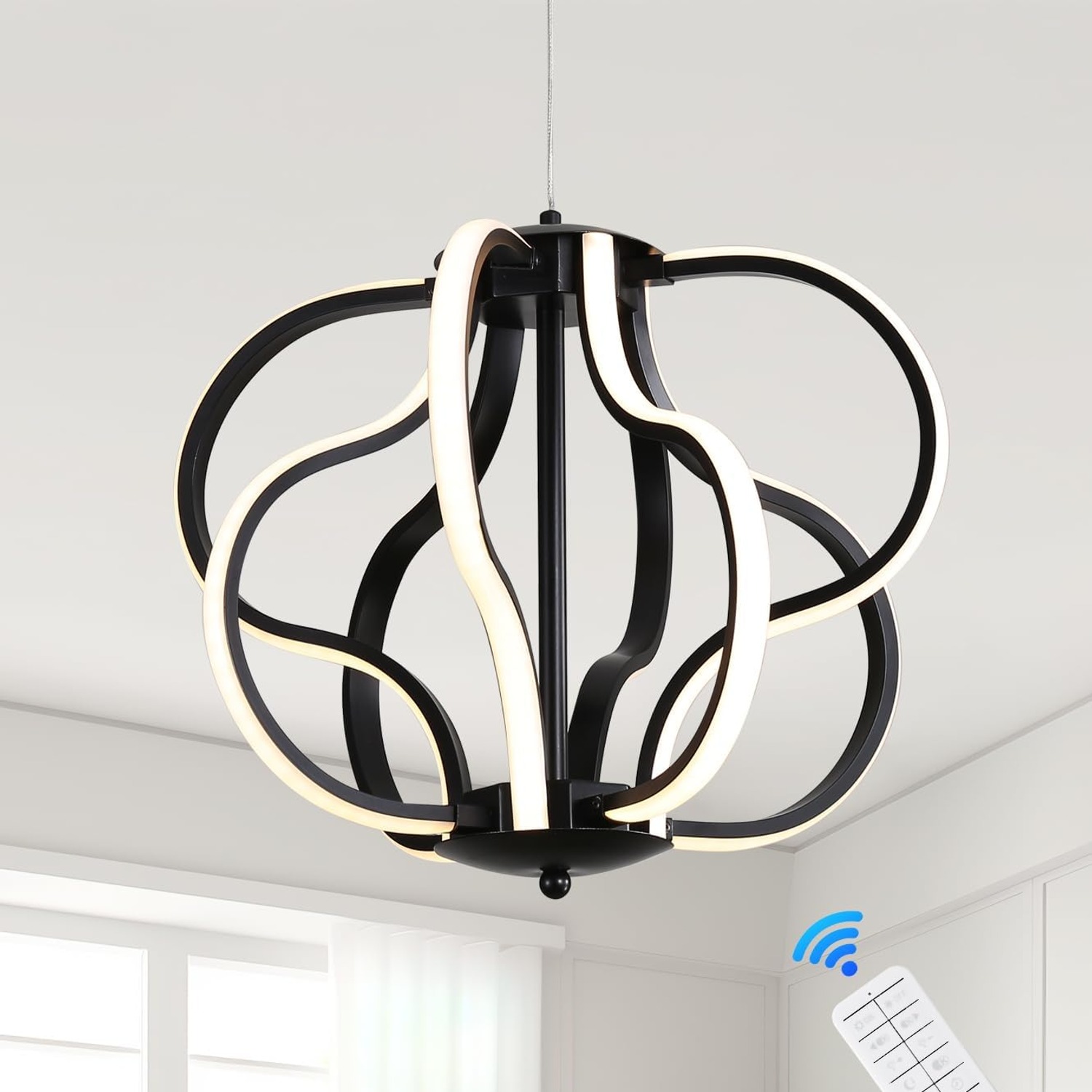
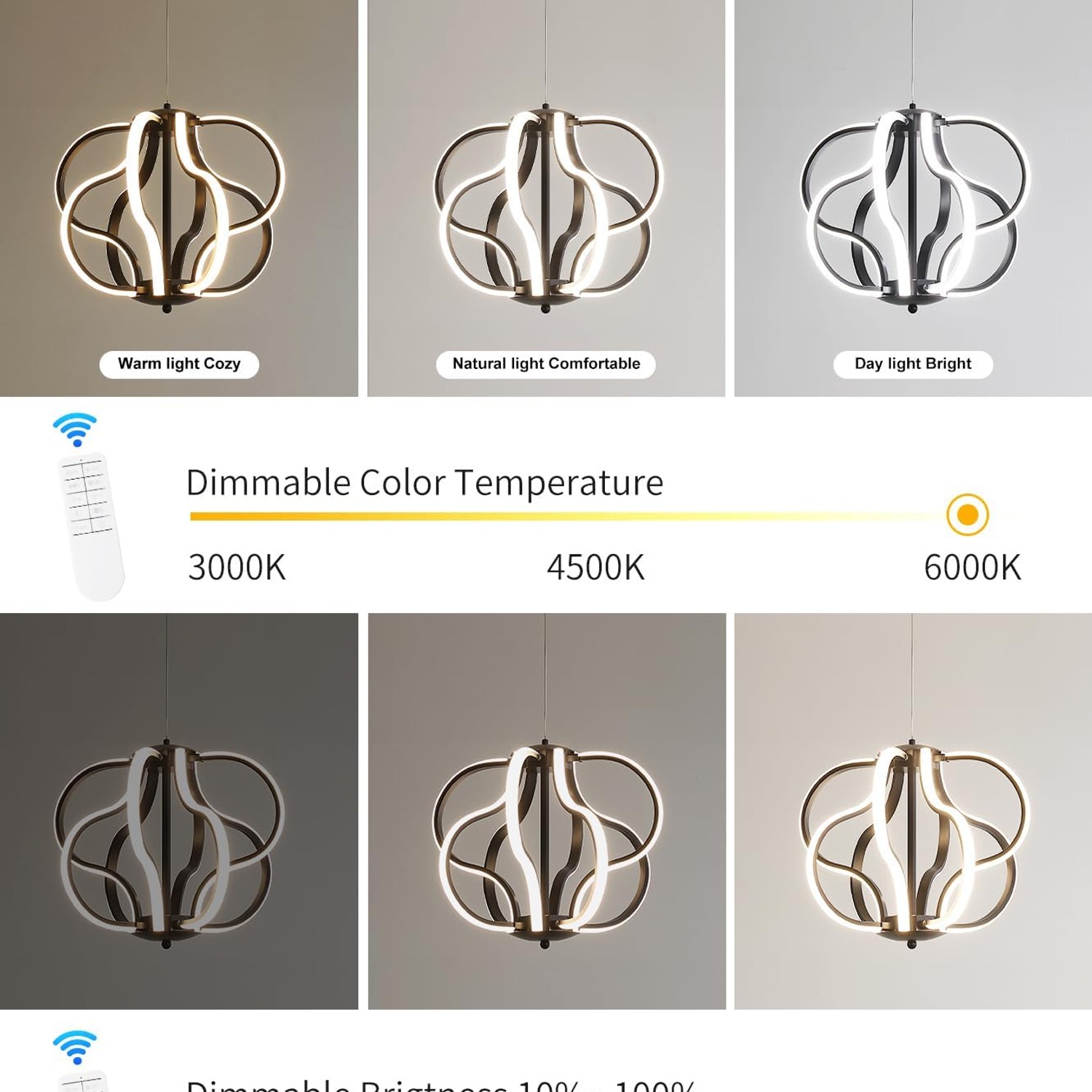
Dimming is handled through the remote rather than a wall dial. That is worth understanding before you buy, because it changes the habit. You keep the handset on the sideboard or bedside table and adjust from where you are sitting. For a dining room LED light fixture that is genuinely convenient, since getting up mid-meal to fiddle with a wall switch is the thing nobody ever does.
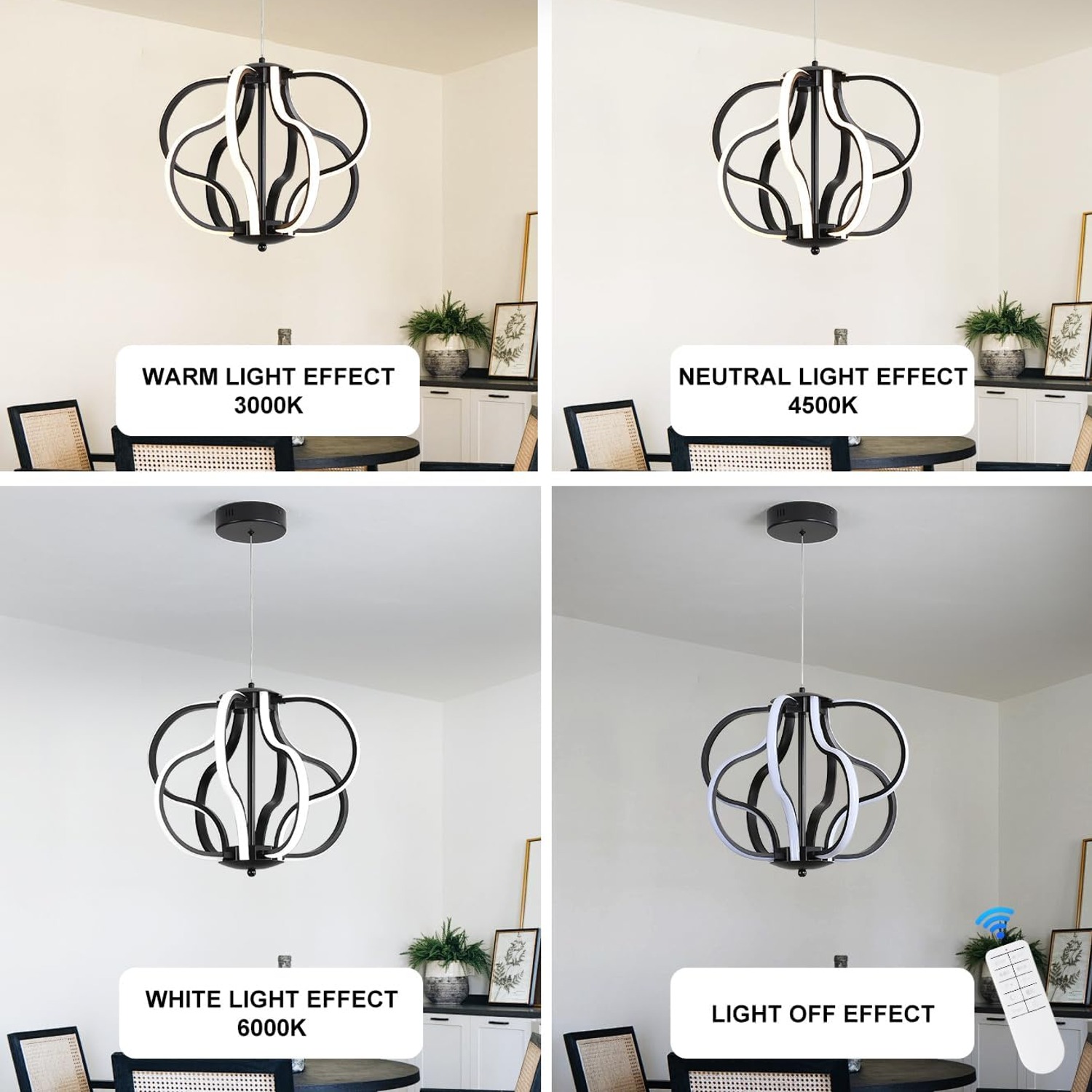
The colour changing feature works the same way. Warmer settings suit food, conversation and winding down. Cooler settings suit mornings, reading and anything where you want to see detail clearly. Having both in one fitting means you are not locked into a single mood by the bulbs you bought.
Who this suits
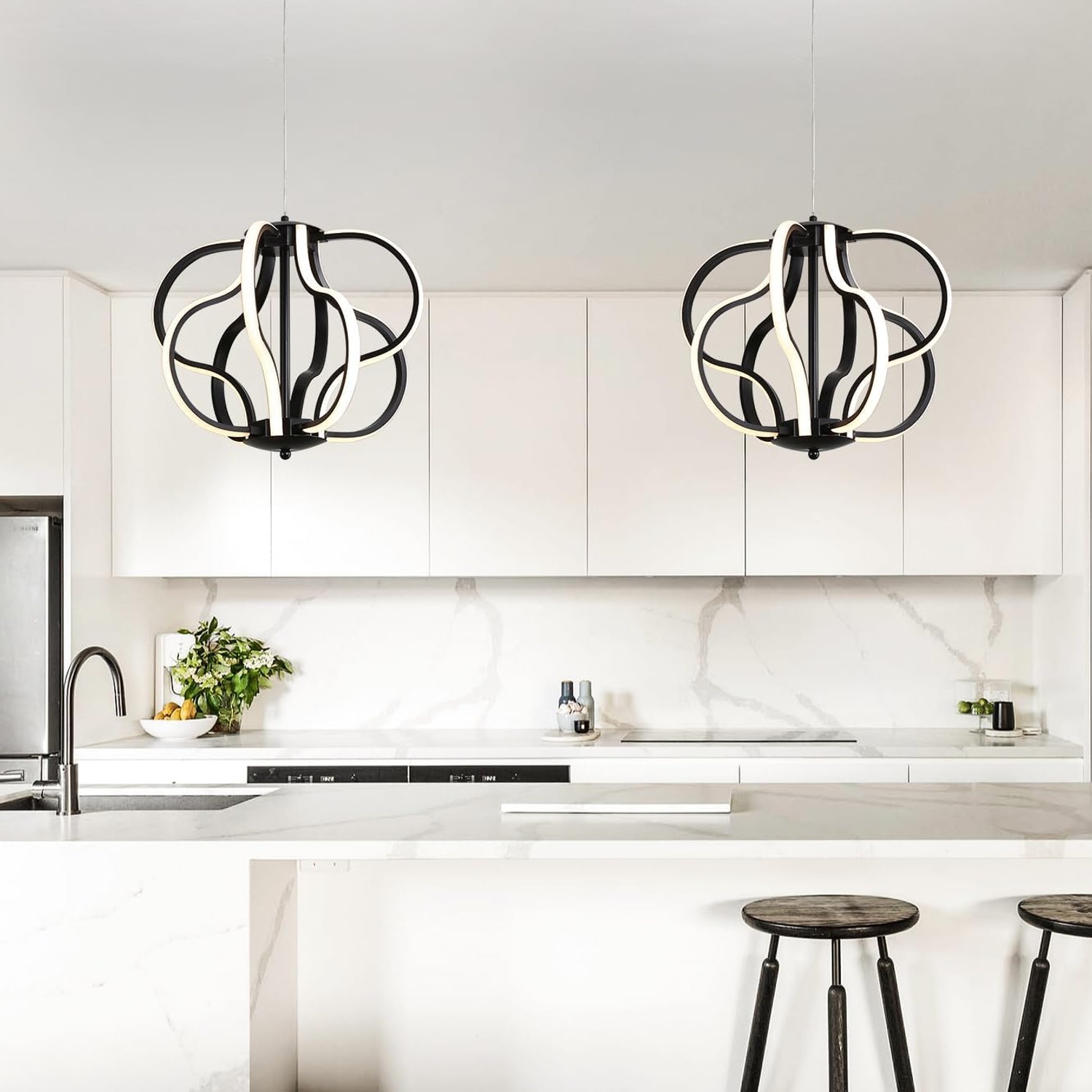
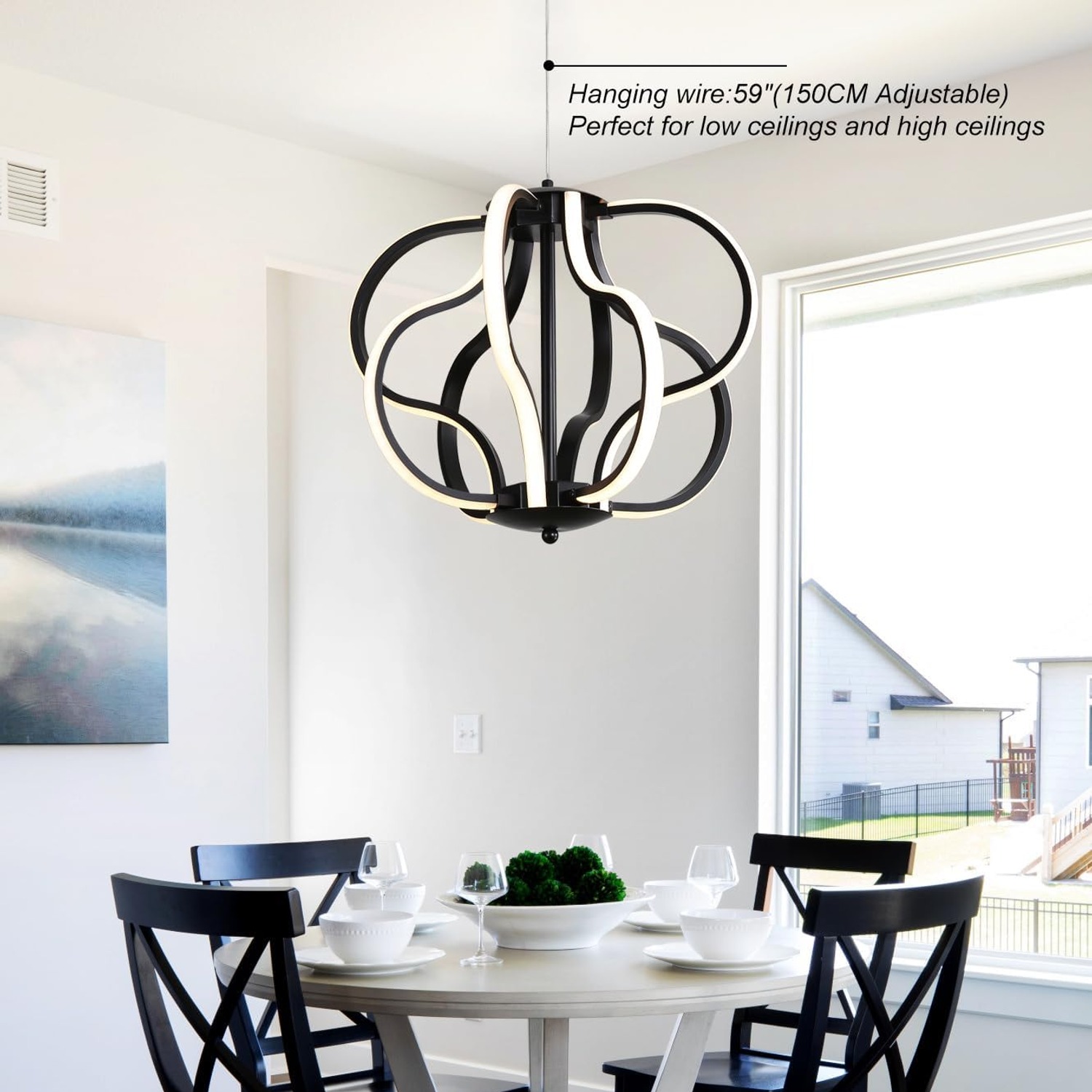
Think about where the fixture will actually hang. A dining table is the classic spot, and this fits the brief: enough output to light the table properly, dimmable enough to get the room down to candlelight levels when the plates are cleared. The vase-shaped silhouette reads well from a seated position, which is where people spend most of their time in a dining room.
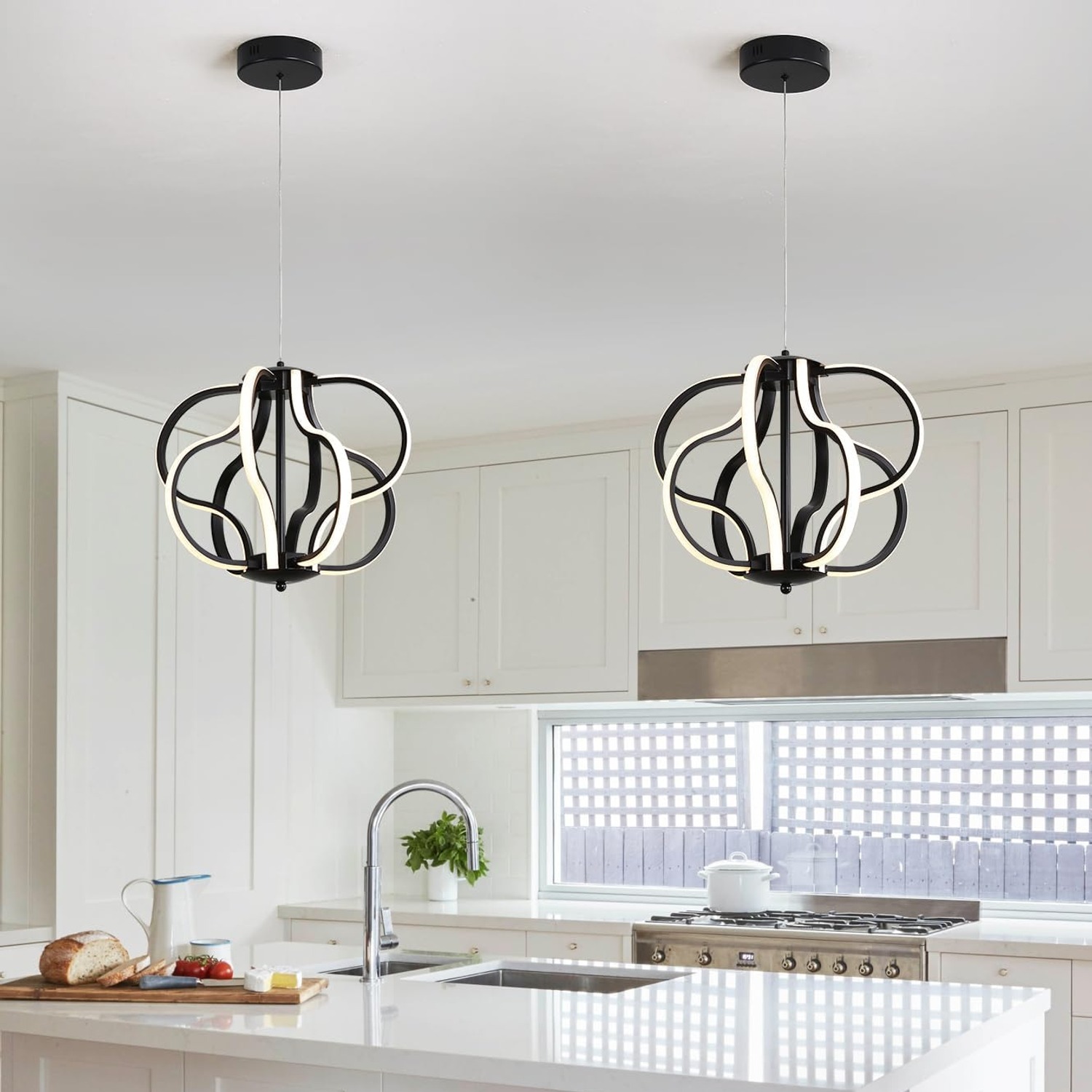
Living rooms work too, particularly open-plan spaces where a single pendant leaves the corners dark. Entryways and hallways with decent ceiling height suit it as well, since a chandelier in the first room people see sets the tone for the rest of the house. The specification also lists bedroom as a room type, and plenty of people put a modest chandelier over a bed as an alternative to bedside lamps doing all the work.
Where it does not belong is anywhere damp. The water resistance level is listed as not water resistant, and recommended use is indoor only. That rules out bathrooms, laundries, covered patios and anywhere steam travels. Those rooms need a properly rated fitting, and no amount of careful installation changes that.
Getting the size right
This is where most people go wrong with ceiling lighting, so take two minutes with a tape measure before ordering.
The body measures roughly 41 cm by 43 cm, which is a moderate spread rather than a sprawling one. Overall height is listed at 170 cm, and that figure includes the suspension hardware. On almost every fixture of this type the drop is adjustable at installation, so your electrician shortens the chain or rod to suit the room. Do not panic at the 170 cm number assuming it will hang that far down.
For a dining table, the usual rule is to leave about 75 to 90 cm between the tabletop and the bottom of the fixture. That puts light where you need it without blocking the view across the table. In a walkway or entry, you want the bottom of the fixture comfortably above head height for the tallest person in the house, with a margin.
Ceiling height drives everything. Standard ceilings suit a short drop. High ceilings can carry a longer drop and will make the fixture look better proportioned. Low ceilings are trickier, and the semi flush mount installation type helps here, since it allows the fitting to sit closer to the ceiling than a long-chain chandelier would.
Width matters for the table too. A fixture noticeably narrower than the table generally looks right. One that overhangs the edges does not.
Finish, style and how it sits with your room
Black is doing a lot of work in interiors right now, and for good reason. It gives a clean outline against a white ceiling, picks up on black window frames, faucets and hardware, and does not fight with wood, stone or fabric. Against a pale ceiling it reads as graphic rather than heavy.
The frame here is painted metal, listed as iron and aluminum, with crystal detail worked into the design. That combination is deliberate. The black metal keeps it modern. The crystal stops it looking severe and gives you the sparkle people actually want from a chandelier. The style and theme are both listed as modern, so it is not pretending to be a period reproduction.
If your room leans traditional, black and crystal still often works, particularly in older homes that have been updated. What it will not do is match a heavy antique-brass or carved-wood scheme. In those rooms a different finish makes more sense.
Installation and safety
Have a licensed electrician do the work. This is a hardwired fitting running on 110 volts corded electric, and in most regions connecting it is regulated work anyway. A professional also checks that the ceiling box or joist can carry the load, which at 2.66 kg is modest but still needs a proper fixing.
Mention the drop length you want before they start. Shortening a chain or rod is easy at the point of installation and annoying afterwards.
One voltage note worth repeating: the fixture is listed at 110 volts. If your mains supply runs at a different voltage, confirm compatibility with your electrician before you order. That is a quick conversation and a cheap one, compared to discovering the problem after the old fitting is already down.
Keeping it looking good
Chandeliers collect dust, particularly on upward-facing surfaces and in crystal detail. The upkeep is simple but it does need doing.
Turn the power off at the wall and give the fixture time to cool. Dust the metal and crystal with a dry microfibre cloth. For marks, use a cloth barely dampened with water and dry straight after. Keep sprays, solvents and abrasive pads away from the painted finish, because they dull it and the damage does not come back. Do not let water near the LED housing or wiring.
Twice a year, glance up and check the mount still feels firm and nothing has worked loose. That takes thirty seconds and is worth the habit with anything hanging overhead.
The short version
If your ceiling light is doing nothing for the room, an eight-source LED chandelier is a practical fix with a decorative payoff. You get 3200 lumens that dims down to whatever mood you want, colour temperature you can change from your chair, and a black metal and crystal frame that reads modern without shouting.
Measure your ceiling height, check the drop you need over the table, confirm the voltage, and book an electrician. Keep it in dry indoor rooms, dust it occasionally, and it will quietly improve every evening you spend under it.